
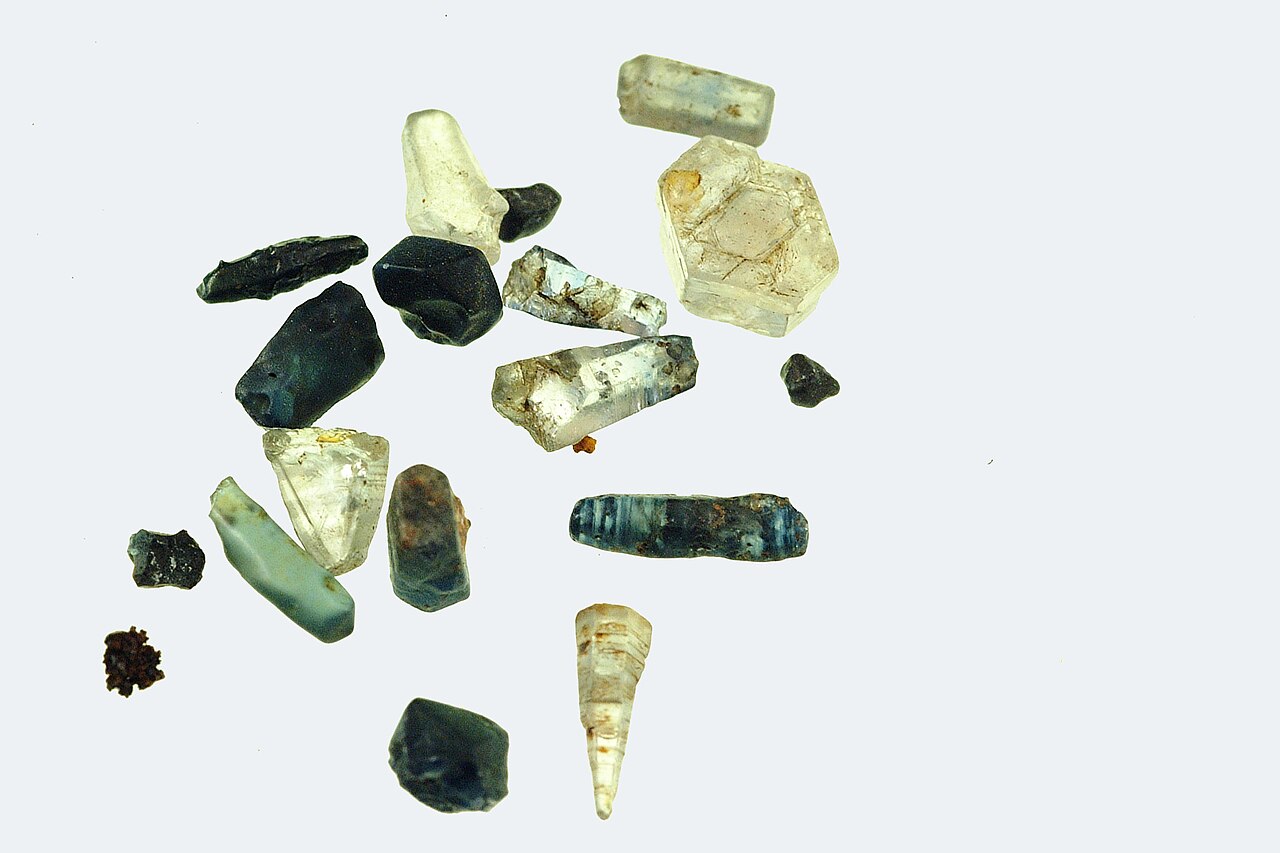
Sapphire is one of the few colored gems tough enough for a ring worn every day, and it comes in far more colors than blue.
Sapphires have been set in engagement rings for centuries, and they remain one of the most practical colored stones for one. They are hard, tough and available in a wide range of colors and prices. They also come with a vocabulary of their own, especially around treatments, so a little background goes a long way.
What a sapphire is
Sapphire is the mineral corundum, a crystalline form of aluminum oxide. Red corundum is called ruby; every other color is sapphire. Corundum rates 9 on the Mohs hardness scale, second only to diamond among popular gems, and it resists chipping well. That combination is why it is a common recommendation for everyday rings. Our guide to which gemstones hold up in an everyday ring compares it with other gems.
The colors
| Color | Notes |
|---|---|
| Blue | The classic; ranges from pale cornflower to deep navy |
| Pink | From soft pastel to vivid; very popular in modern rings |
| Yellow | Bright and warm; often less expensive than blue |
| Green and teal | Blends of blue and yellow; increasingly popular |
| White (colorless) | A diamond alternative with less sparkle |
| Padparadscha | A rare pink-orange; trade term for a specific color range |
| Color-change | Shifts color between daylight and indoor light |
What drives quality
Color matters most. Gem professionals describe it by hue (the basic color), tone (how light or dark) and saturation (how vivid). A stone that is too dark looks inky, and one that is too light looks washed out.
Clarity matters less than in diamonds, because most sapphires have some inclusions. Fine needle-like inclusions, called silk, can soften the color pleasantly; large fractures near the surface are more of a concern.
Cut varies widely. Many sapphires are cut to keep as much weight as possible, which can leave a window, a washed-out area in the middle where light passes straight through. Tilting the stone in a video shows whether it has one.
Size is best judged in millimeters. Sapphire is denser than diamond, so a sapphire of the same carat weight is a little smaller.
Treatments and disclosure
Many sapphires are heated to improve color and clarity. Heating is widely accepted in the trade and is generally stable. Other treatments are more significant, such as diffusion, which adds color through a chemical element at high temperature, and filling of fractures with glass.
Under the Federal Trade Commission’s Jewelry Guides, a seller should disclose a gemstone treatment if it is not permanent, if it creates special care requirements, or if it has a significant effect on the stone’s value. For online sales, the disclosure belongs in the product description. Our guide to gemstone treatments covers each method in detail.
Good to know: For an important sapphire, ask for an identification report from an independent gem laboratory. It confirms the stone is natural or laboratory-created, notes treatments and may comment on origin. See grading labs for what lab reports can and cannot tell you.
Laboratory-created sapphires
Laboratory-created sapphires have the same chemical composition and crystal structure as mined ones and cost much less. Under the FTC Jewelry Guides, they cannot simply be called sapphires; the name must be qualified with a word such as “laboratory-grown,” “laboratory-created” or the manufacturer’s name followed by “created.” Terms like “faux” are not enough.
Origin
Sapphires are mined in several regions, including Sri Lanka, Madagascar, Myanmar, Thailand, Australia and Montana in the United States. Some origins carry a premium, and determining origin requires advanced laboratory testing. For most buyers, color and condition matter more than where the stone was mined.
Designing around a sapphire
Metal color changes how the stone reads: white metals keep blues cool and crisp, while yellow gold warms them. Diamonds around or beside a sapphire add sparkle and contrast; see the halo guide and choosing side stones for a three-stone ring. For metal choices, see platinum vs. white gold.
Quick notes
- Sapphire is corundum, rated 9 on the Mohs hardness scale and tough enough for everyday rings.
- Color decides most of a sapphire’s appeal and value; hue, tone and saturation matter more than clarity.
- Heat treatment is common; treatments that are not permanent, need special care or significantly affect value must be disclosed under FTC guidance.
- Laboratory-created sapphires have the same chemistry as mined ones and must be sold with a qualifier such as laboratory-created.
Common questions
Q: Does a 1-carat sapphire look the same size as a 1-carat diamond?
A: Usually slightly smaller. Sapphire is denser than diamond, so the same weight takes up less space. Compare measurements in millimeters rather than carat weight.
Q: Is an unheated sapphire worth the extra cost?
A: Heat treatment is widely accepted and generally stable, so a heated sapphire is a sound choice for a ring. Unheated stones are rarer and priced accordingly; whether that matters is a personal decision.
Q: Can a sapphire be graded like a diamond?
A: There is no single grading scale for colored stones like the D-to-Z scale for diamonds. Gem labs issue identification reports that confirm the stone is sapphire, note treatments and sometimes give an opinion on origin.
Q: What is a padparadscha sapphire?
A: It is a rare sapphire with a delicate mix of pink and orange. The trade term is applied to a specific color range, and a lab report is the usual way to confirm it.