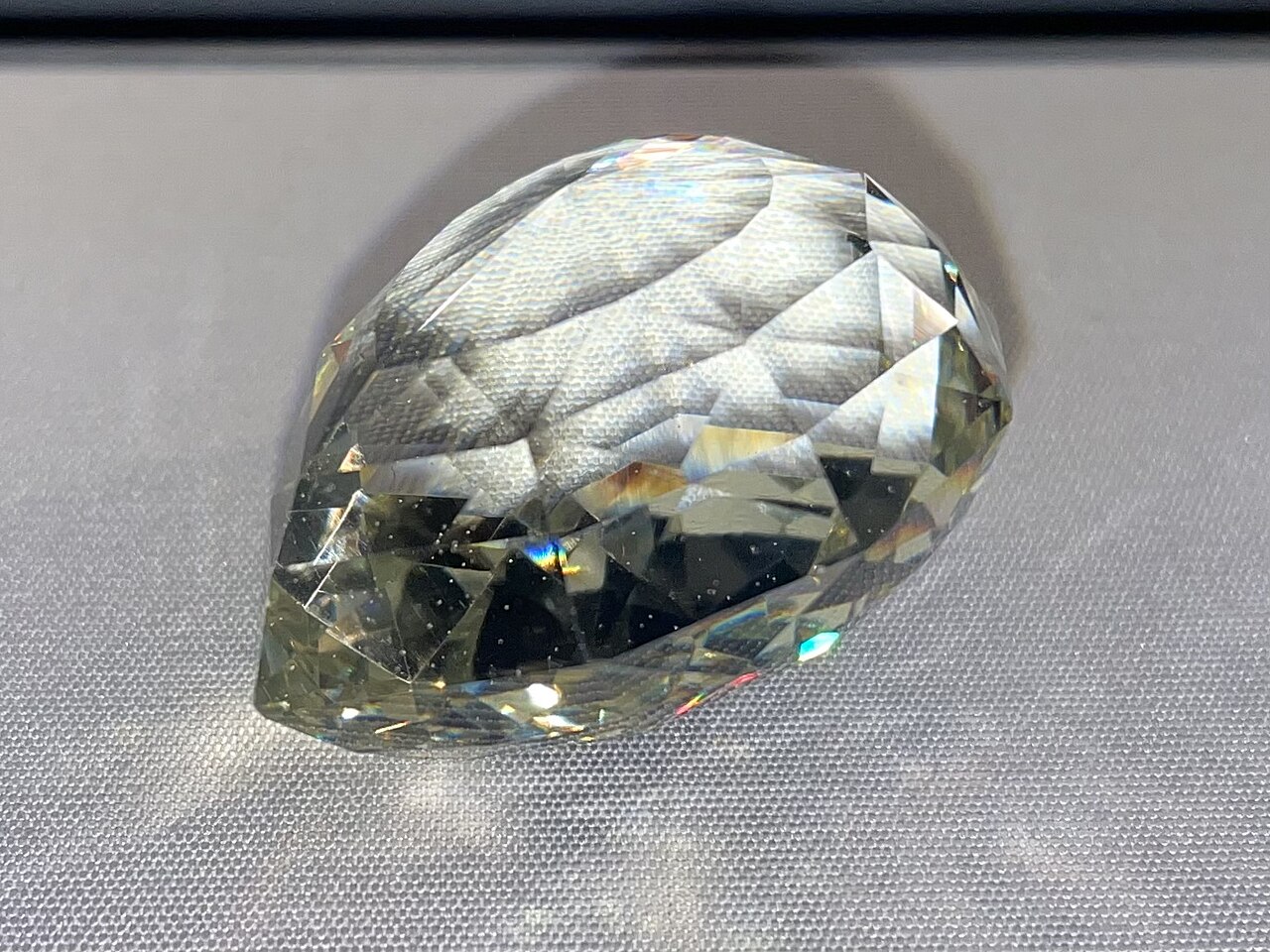
Diamond Shapes Compared: Round, Oval, Cushion, Emerald, Pear and More
What each diamond shape looks like on the hand, how brilliant and step faceting change the sparkle, and what each shape asks of the setting.
How to Read a Diamond Grading Report, Section by Section
What each section of a diamond grading report measures, from measurements and the 4Cs to fluorescence, comments and inscriptions, and which lines matter most.
Length-to-Width Ratio and the Bow-Tie Effect in Elongated Diamonds
How length-to-width ratio changes the look of ovals, pears, marquise and emerald cuts, the ranges many buyers prefer, and how to judge a bow-tie.
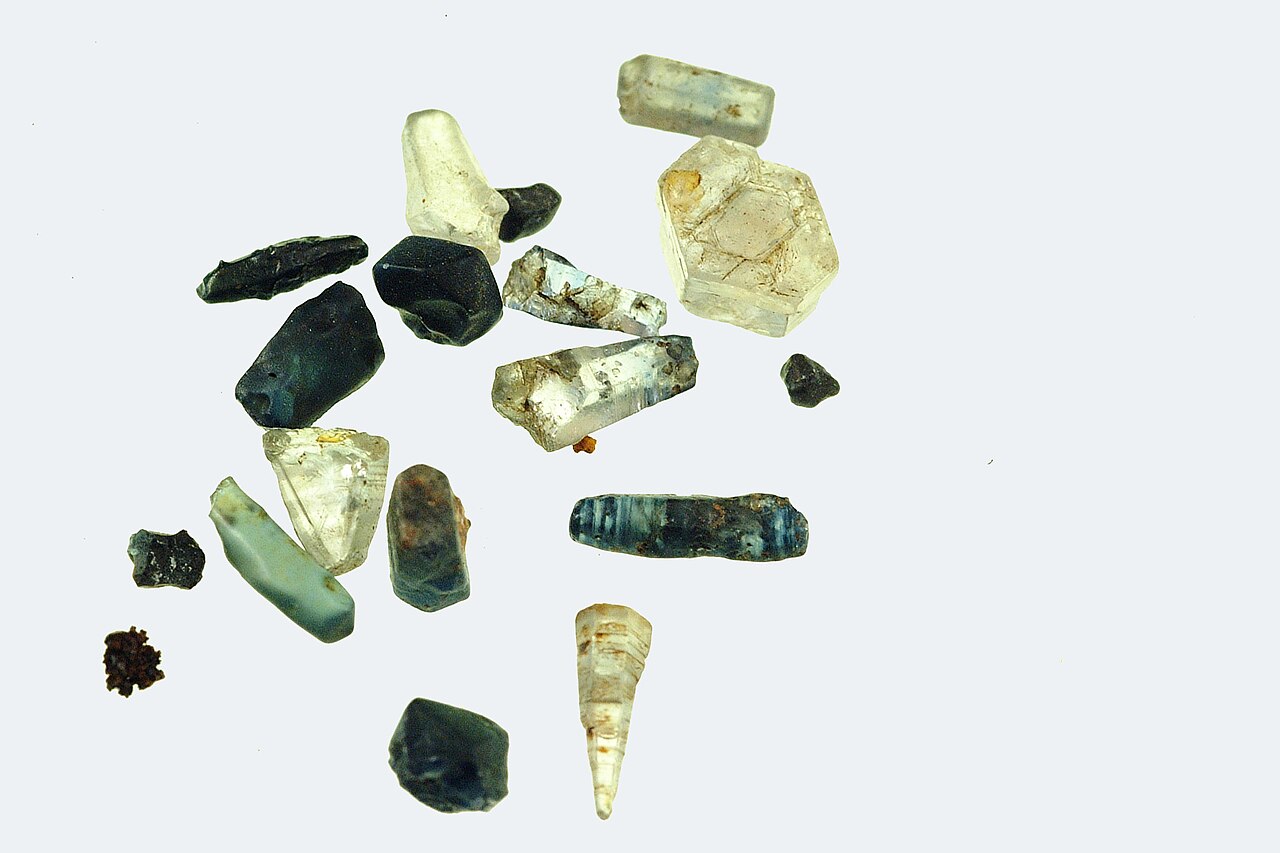
Sapphire Engagement Rings: Color, Treatments and Everyday Wear
What to know about sapphire engagement rings: the colors, what drives quality, common treatments and disclosure, lab-created stones and durability.
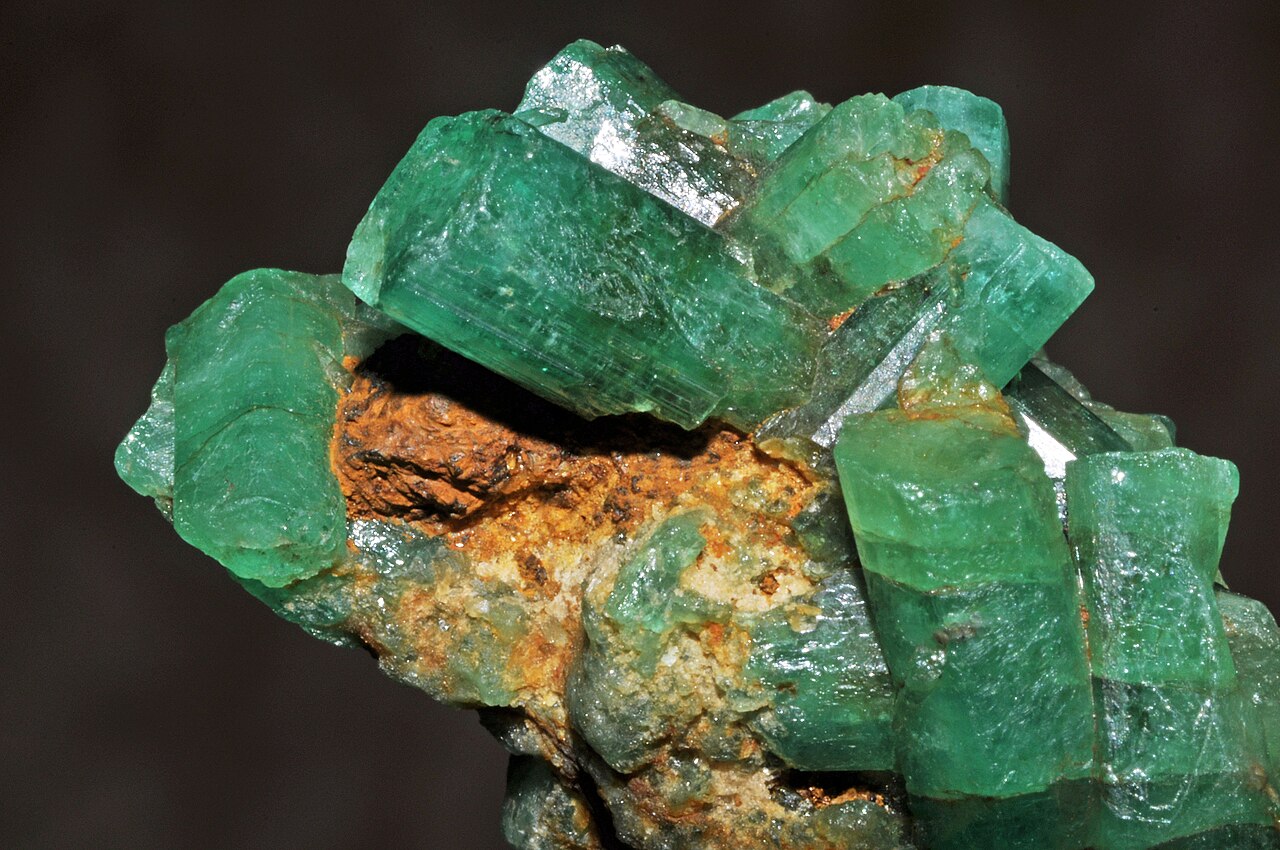
Which Gemstones Hold Up in an Everyday Ring?
Hardness, toughness and stability of popular ring gemstones, from diamond and sapphire to emerald and opal, and the settings that protect softer stones.
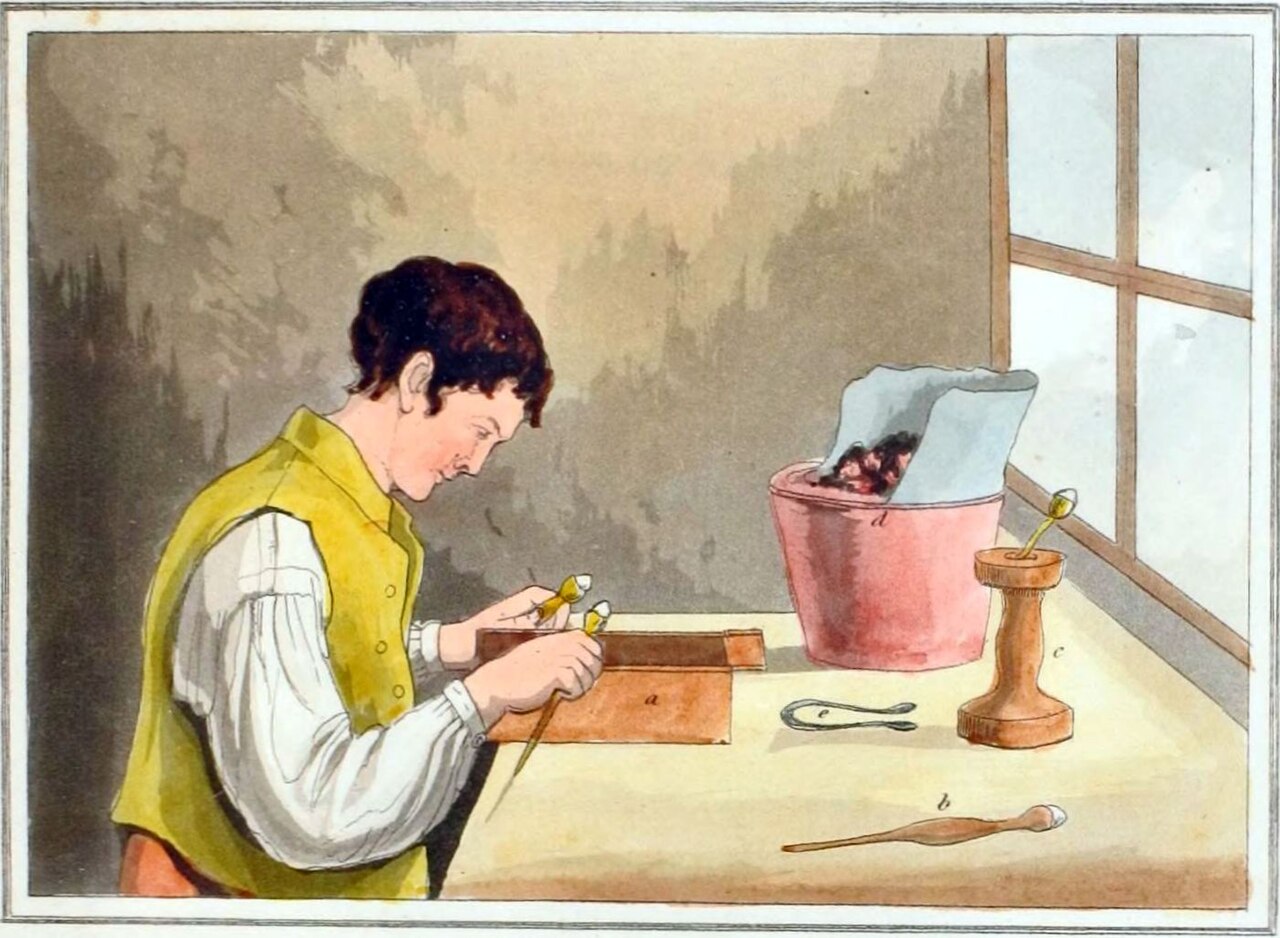
Emerald and Asscher Cuts: What to Know About Step-Cut Diamonds
How step-cut diamonds reflect light, why clarity, color and proportions show more in emerald and Asscher cuts, and what to check before choosing one.

Diamond Fluorescence: What ‘Faint’ to ‘Very Strong’ Means for a Ring
What diamond fluorescence is, how often it appears, what research says about its effect on appearance, and how to judge a specific stone before buying.
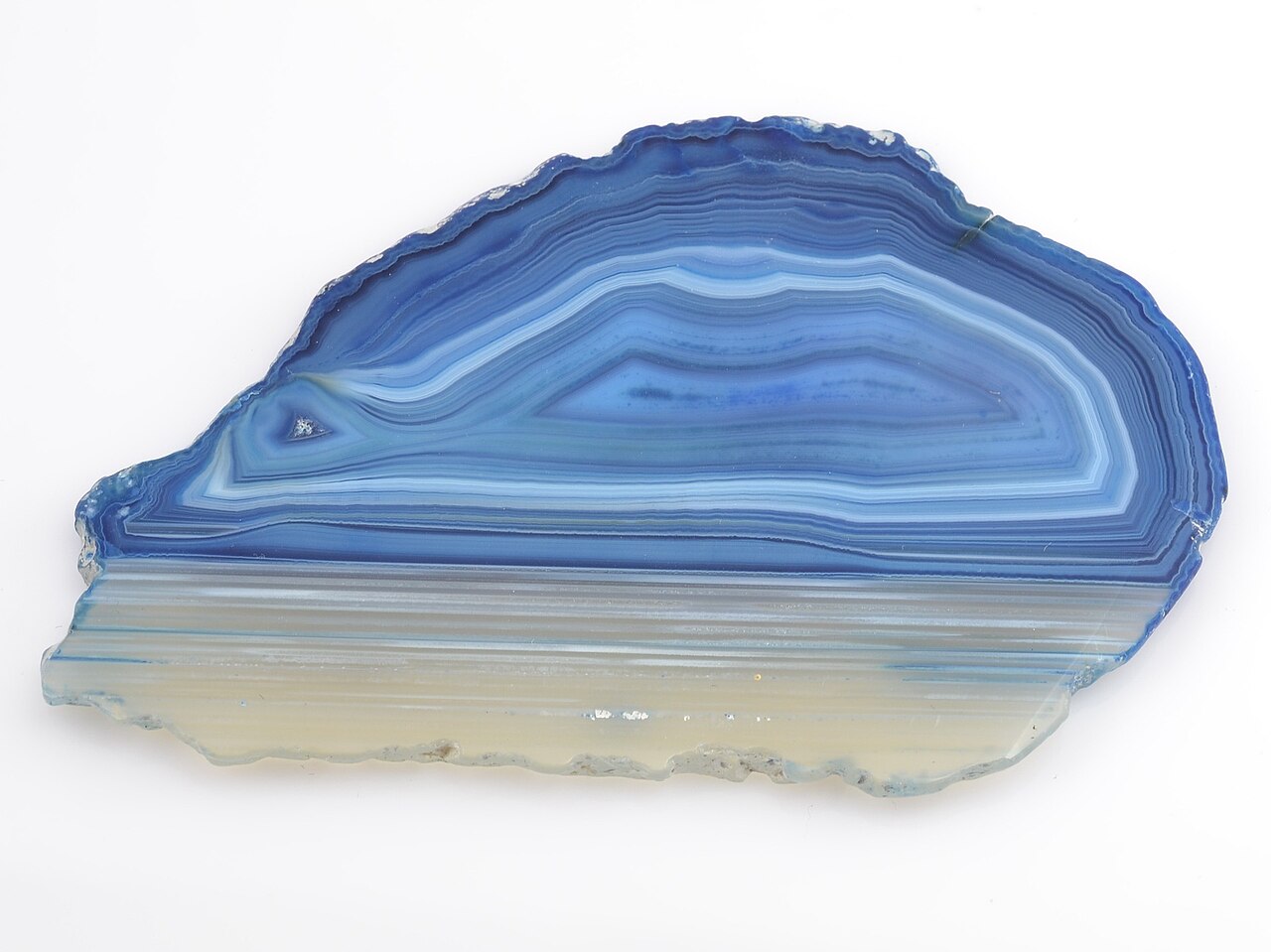
Gemstone Treatments: Heating, Oiling, Filling and What Sellers Must Disclose
The common treatments for diamonds and colored gemstones, how they affect care and value, and what the FTC Jewelry Guides say sellers must disclose.
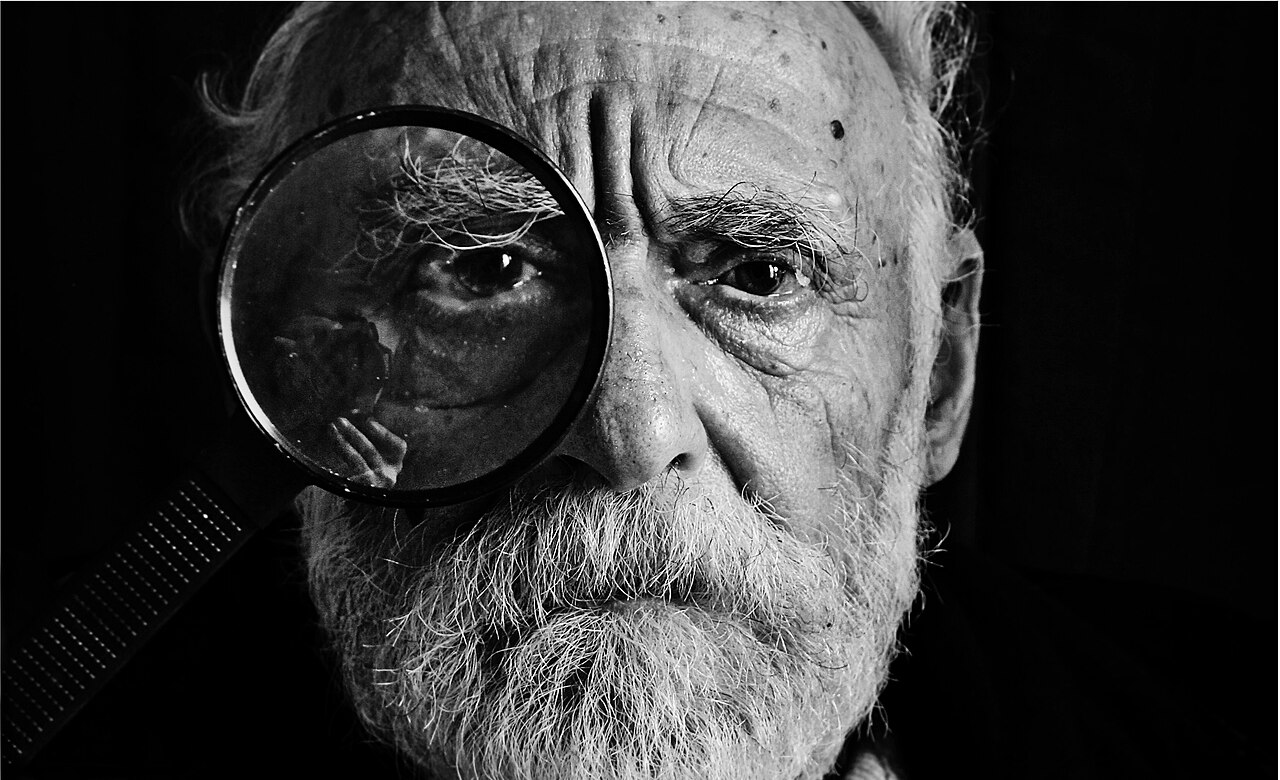
GIA, IGI and Other Grading Labs: What a Report Can and Can’t Tell You
What independent gem laboratories do, how GIA and IGI reports are used, why comparing stones from the same lab matters, and what a report does not cover.

Diamonds & Gemstones
Shapes, grading reports, treatments and colored stones.