
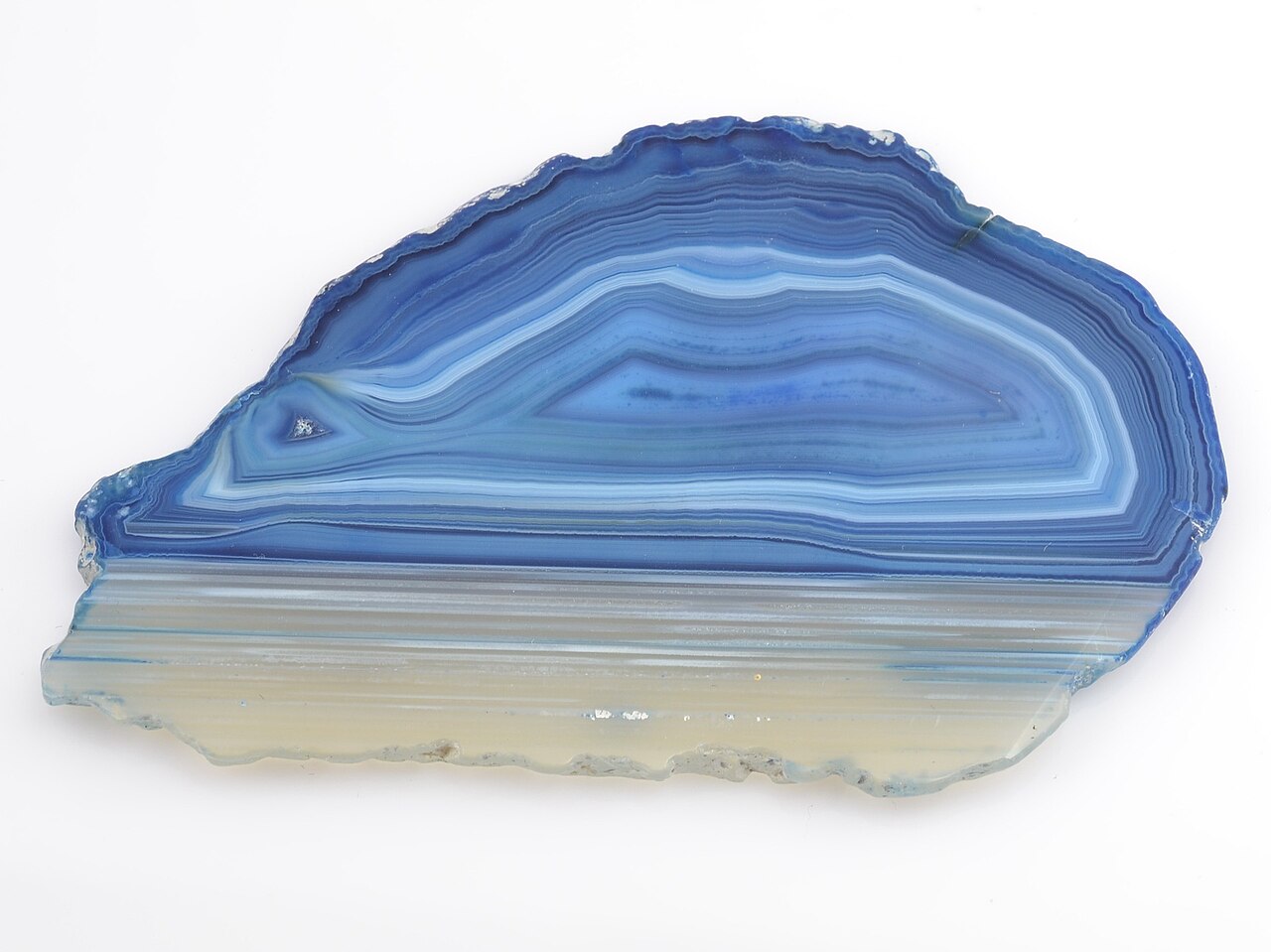
Many gems are treated to improve their color or clarity. Treatment is not a problem in itself; not knowing about it can be.
Gem treatments are as old as the jewelry trade, and many are routine. A sapphire may have been heated to deepen its blue, or an emerald oiled to make small fractures less visible. What matters for a buyer is knowing which treatments a stone has had, because that affects value, cleaning, repairs and resale.
What sellers must disclose
The Federal Trade Commission’s Jewelry Guides cover treatment disclosure in the United States. A seller should disclose a gemstone treatment when any of these apply:
- The treatment is not permanent, or may not be.
- The treatment creates special care requirements; the seller should also explain them.
- The treatment has a significant effect on the stone’s value.
The guides apply the same approach to diamonds. When a buyer cannot inspect the item in person, as with websites and catalogs, the disclosure should appear in the product description before purchase.
Common treatments
| Treatment | Often used on | What it does | Care notes |
|---|---|---|---|
| Heating | Sapphire, ruby, tanzanite, aquamarine | Improves color or clarity | Generally stable |
| Oiling or resin filling | Emerald | Makes surface-reaching fractures less visible | Avoid heat, solvents and ultrasonic cleaners |
| Glass filling | Ruby and some other gems | Fills fractures with glass | Can be damaged by heat and some chemicals |
| Diffusion | Sapphire | Adds color through an element introduced at high heat | Color may be shallow; recutting can remove it |
| Irradiation | Topaz, some diamonds | Changes color | Usually stable; disclosure expected |
| Laser drilling | Diamond | Removes or lightens a dark inclusion through a tiny channel | Stable; visible under magnification |
| Fracture filling | Diamond | Hides fractures with a glass-like filler | Can be damaged by heat or strong cleaning |
| HPHT treatment | Diamond | Changes color using high pressure and temperature | Stable; must be disclosed |
| Coating | Topaz, some diamonds and quartz | Adds color or effects with a surface layer | Can wear or scratch off |
| Dyeing | Jade, quartz, pearls | Adds or deepens color | May fade or bleed with solvents |
Treatments in diamonds
Most diamonds are not treated, but some are. Laser drilling creates a microscopic channel to reach and lighten a dark inclusion. Fracture filling puts a glass-like material into small fractures to hide them; the filler can be damaged by the heat of a jeweler’s torch or harsh cleaning. HPHT and irradiation change color, sometimes producing fancy colors. A grading report notes treatments it detects; our guide to reading a grading report shows where.
Treatments in colored stones
Heating is so common in sapphire and ruby that unheated stones are sold as a premium category. Emeralds are routinely oiled or filled with resin, which is why they need gentle care. Our guides to sapphire engagement rings and which gemstones hold up in an everyday ring cover these stones in more detail.
Why treatments matter after the purchase
Treatments affect what a jeweler can safely do. Heat from sizing, retipping prongs or resetting can damage fillers in emeralds and fracture-filled diamonds, and some cleaning methods can harm coatings and dyes. Always tell a jeweler what you know about a stone before repair work. This matters especially for inherited pieces; see resetting an heirloom stone and which rings can’t be resized.
Good to know: Ask the seller to write any treatment on the receipt or certificate, along with care instructions. Written disclosure protects you if you resell, insure or repair the piece later.
Treated, laboratory-grown and imitation
These are three different things:
- A treated gem is natural, with its appearance improved.
- A laboratory-grown gem has the same composition as the natural one but was made in a laboratory; FTC guidance requires a qualifier such as “laboratory-grown” or “laboratory-created.”
- An imitation only looks like the gem and is a different material, such as glass.
For an important purchase, an independent laboratory report is the clearest way to know which you have. See GIA, IGI and other grading labs.
Quick notes
- Under the FTC Jewelry Guides, a seller should disclose a treatment that is not permanent, that creates special care requirements or that significantly affects value.
- For sales online or by catalog, the disclosure belongs in the product description, before the purchase.
- Heating of sapphire and ruby is widespread and generally stable; fracture filling, oiling and some coatings need more care.
- Fracture-filled diamonds can be damaged by a jeweler’s torch, so treatments matter for repairs and resizing too.
Common questions
Q: Is a treated gemstone fake?
A: No. A treated gem is still the natural gem, with its appearance improved by a process. A fake is an imitation made of a different material, and a laboratory-grown gem is a third category that must be described as such.
Q: Do treatments lower a gem’s value?
A: Untreated stones of the same appearance usually cost more because they are rarer. Some treatments, such as heating of sapphire, are so common that heated stones are the market norm.
Q: How can I find out if a stone is treated?
A: Ask the seller in writing, and for important stones ask for a report from an independent gem laboratory. Many treatments can only be identified with laboratory equipment.
Q: Can a fracture-filled diamond be graded?
A: Some laboratories, including GIA, do not issue full grading reports for fracture-filled diamonds because the treatment can change with time and care. They may note the treatment instead.