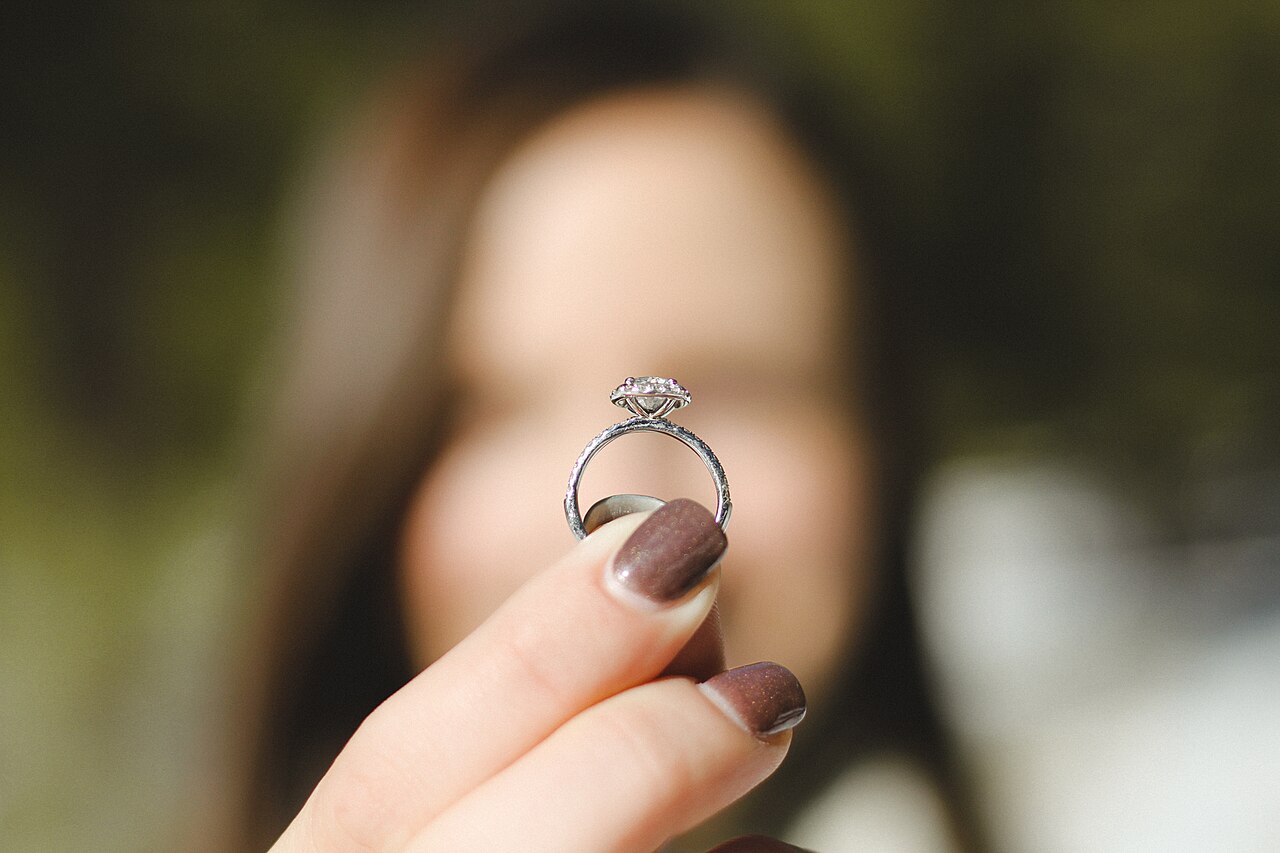
Engagement Ring Settings Compared: Solitaire, Halo, Pavé and Bezel
How solitaire, halo, pavé, three-stone and bezel settings hold a center stone, how each looks and wears, and the questions that decide between them.

Prong Settings Explained: Four or Six Prongs, and Which Tip Shape
How the number of prongs, their tip shape and the height of the head affect a ring’s security and look, plus the signs that prongs need repair.
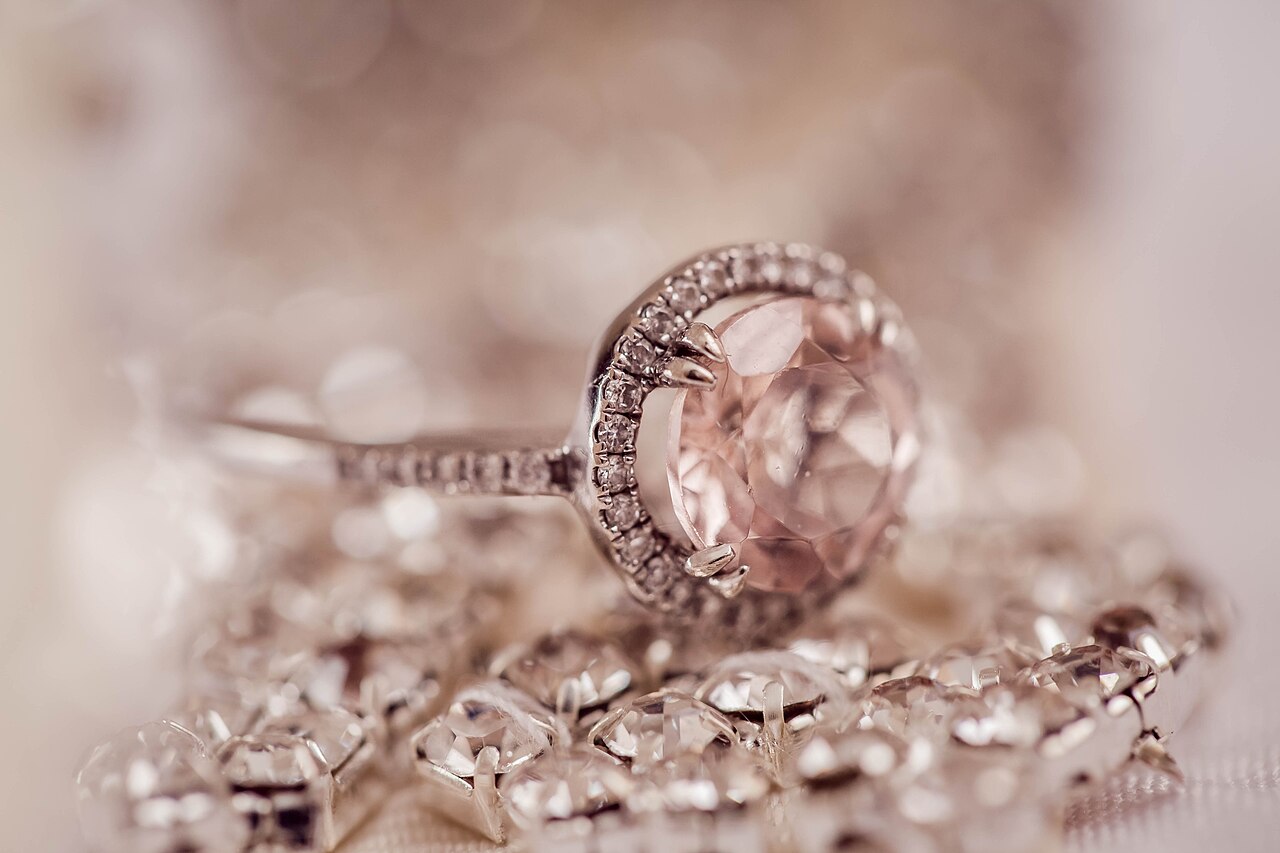
Halo Engagement Rings: Size, Sparkle and Long-Term Upkeep
What a halo adds to an engagement ring, the main halo styles including hidden halos, how to judge the small stones and the extra care halos need.
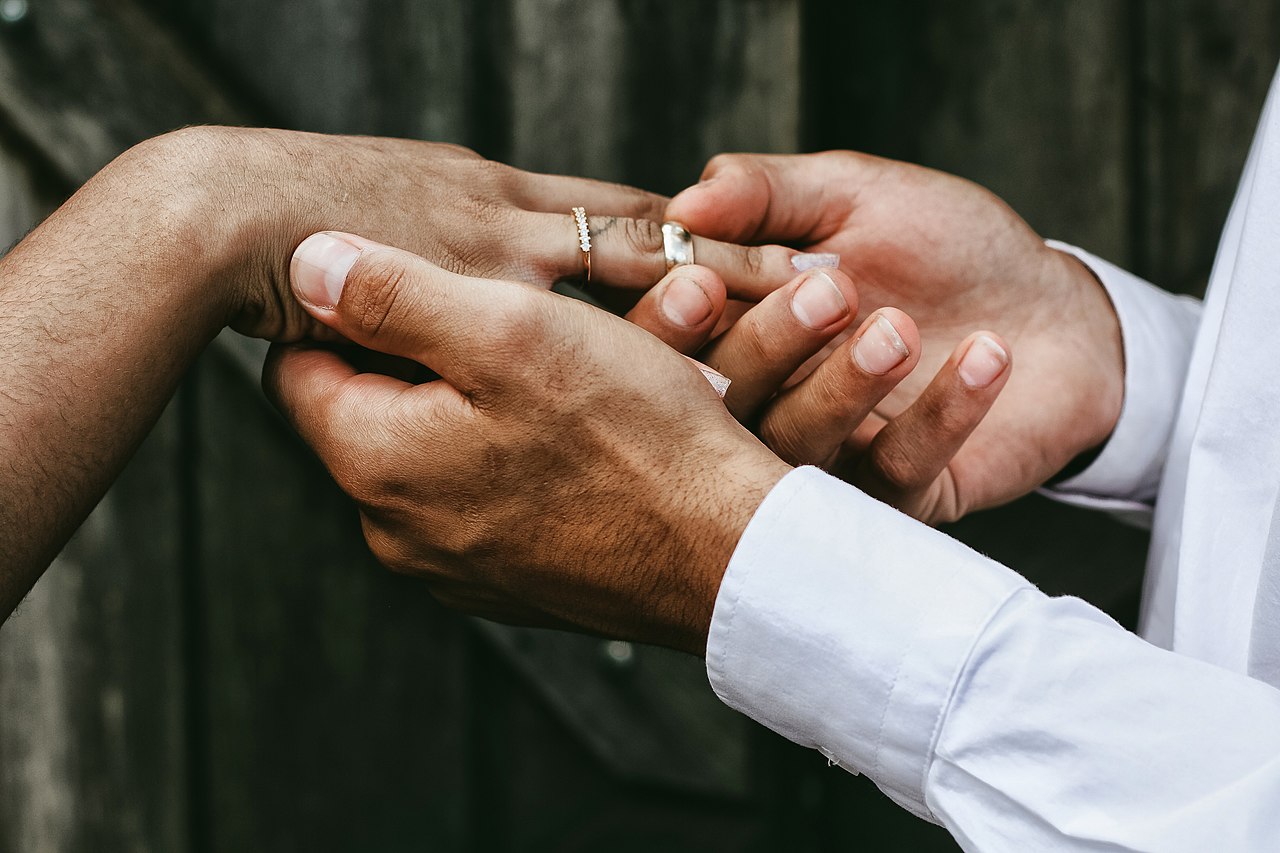
How to Set an Engagement Ring Budget Without the ‘Months of Salary’ Rule
Where the ‘months of salary’ rule came from, how to set a ring budget you can afford, and how to split it between the stone, the setting and the extras.

Choosing Side Stones for a Three-Stone Ring
How to size, shape and match the side stones in a three-stone engagement ring, and the setting details that keep the three stones looking like a set.

Low-Profile Engagement Rings for Active Hands
Bezels, low prong heads, flush settings and band shapes that snag less and protect the stone, for people who use their hands all day.
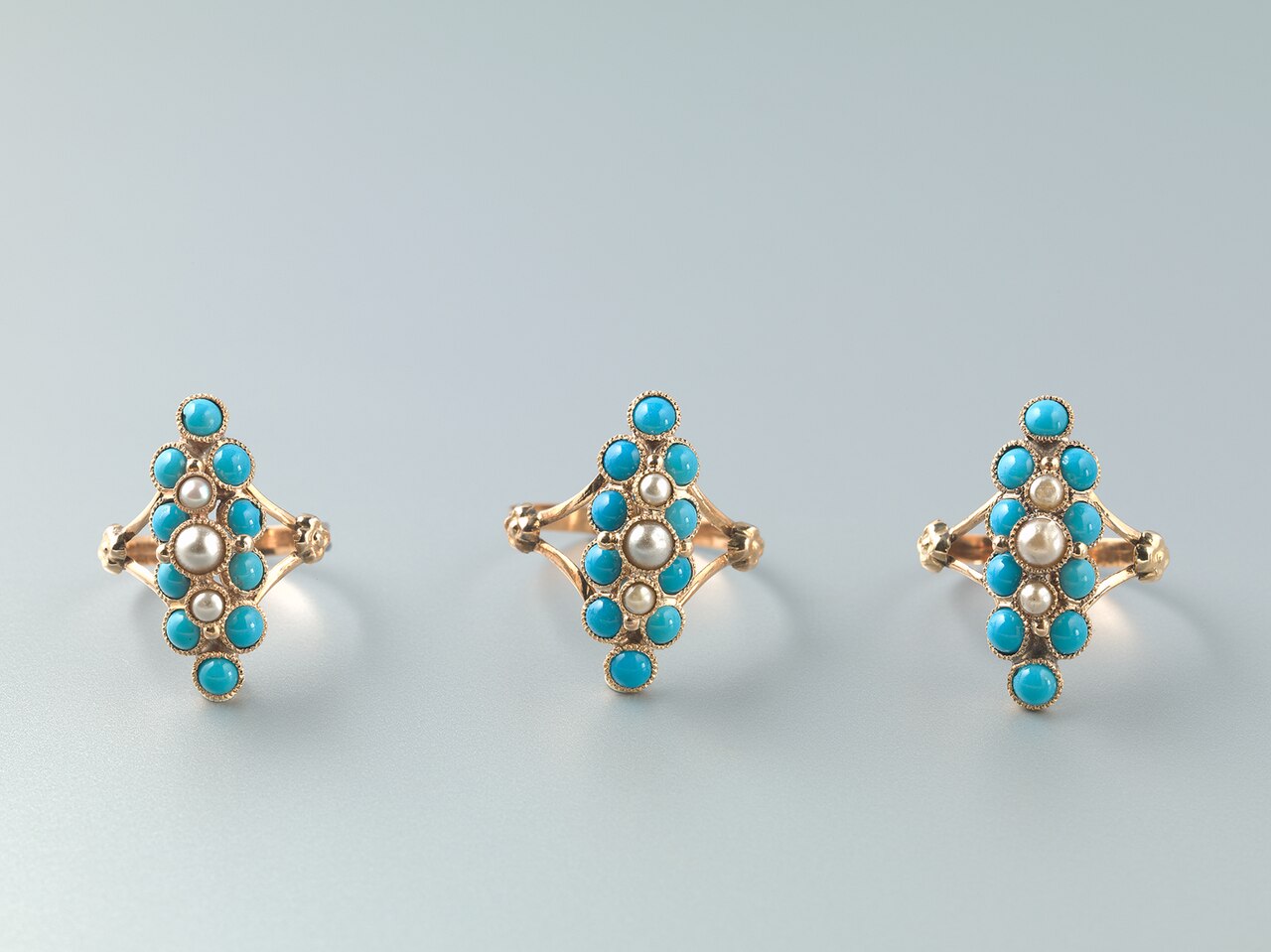
Art Deco, Edwardian and Victorian: Vintage Ring Details Explained
The design vocabulary of vintage-style engagement rings: era styles, milgrain, filigree, engraving, old cuts and what to check on an antique ring.
Ring Anatomy: Shanks, Galleries and Cathedral Shoulders Explained
The parts of a ring below the stone, from shank styles and cathedral shoulders to galleries and bridges, and how they change comfort, height and style.

Engagement Rings
Settings, styles and budgets for the ring itself.